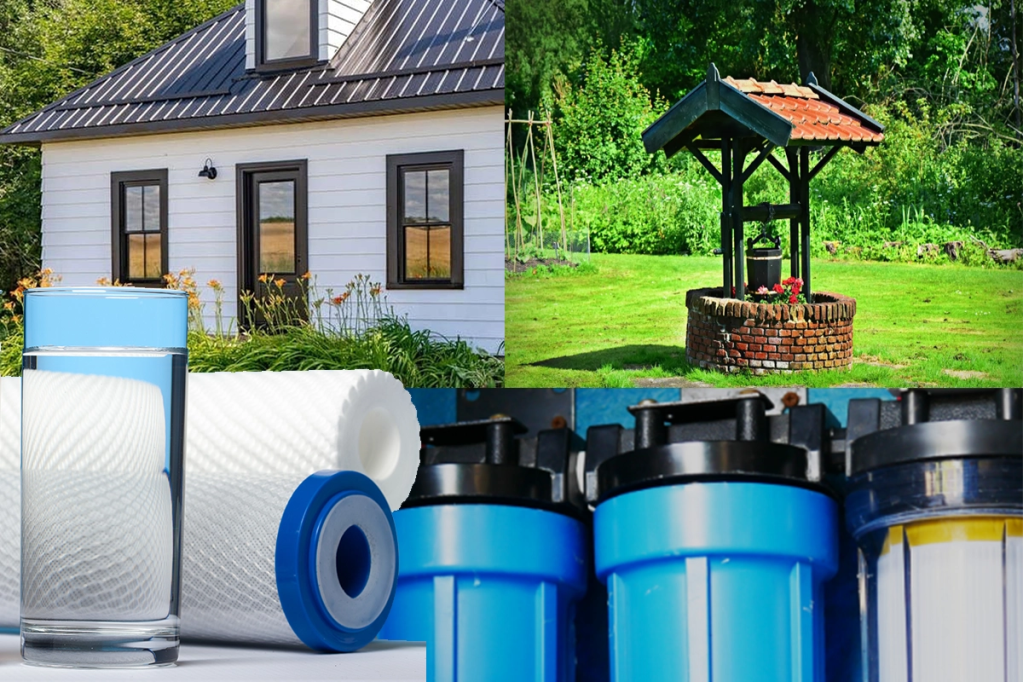
Filtration methods such as mechanical sieving and adsorption play an important role in the purification and treatment of rural water sources. Proper filtration has direct implications for the effectiveness and longevity of water treatment equipment, including commonly installed ultraviolet (UV) disinfection systems, water softeners, and reverse osmosis (RO) drinking water systems.
Mechanical sieving (e.g., sediment filters with specific micron ratings) is a physical separation process that removes particulates based purely on their size relative to the filter medium’s pores; particles are physically blocked and trapped, making it effective for suspended solids like sand and silt. Adsorption is a highly effective purification process that removes a wide range of dissolved contaminants from water, particularly organic compounds and substances that negatively affect the water’s aesthetics (taste, odor, and color). The most common adsorbent material used in filtration is activated carbon.
These removed contaminants fall into key categories, including various Pesticides & Herbicides, Volatile Organic Compounds (VOCs), Disinfection Byproducts (DBPs), numerous Industrial Chemicals, and Pharmaceuticals & Emerging Contaminants, with the carbon surface attracting and holding the molecules to its porous structure.
Microns & Water Filtration
Water filtration in residential (homes, cottages) and commercial settings decreases the concentration of suspended solids and dissolved organic/inorganic contaminants. In water treatment, the micron size and micron rating are critical metrics that quantify a filter’s ability to remove solid, suspended particles from the water. They are the key specifications for mechanical filtration systems.
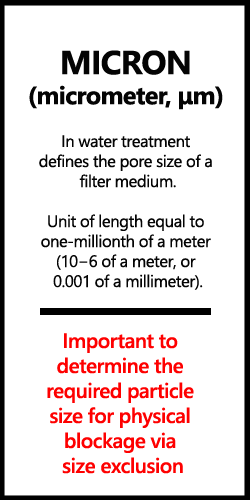
The micron size in rural water treatment is critical for two primary reasons: public health and system efficiency. Measured in micrometers (μm), a filter’s micron rating determines the particle size it can physically block via size exclusion. This is crucial for removing pathogenic microorganisms such as Giardia cysts (6-14 μm) and Cryptosporidium oocysts (4–6 μm) from unregulated raw water sources. Selecting the wrong size has two major technical consequences: a rating that is too large allows harmful contaminants to pass through, while a rating that is too small leads to rapid clogging by larger sediment, reducing the flow rate, increasing the energy demand for pumping, and necessitating frequent, costly maintenance.
Therefore, an appropriate micron size is an important decision, often implemented in a graded filtration system, that balances effective contaminant removal with the operational sustainability required for rural homes, cottages and commercial properties.
Micron Rating for Filtration is Important
Filtration is classified into two categories: nominal and absolute. The core difference lies in their guaranteed efficiency at the stated micron rating (μm). Nominal filters provide only partial removal (typically 50% to 98% of particles), utilizing a less precise structure (depth media) ideal for cost-effective pre-filtration and bulk solid removal. Conversely, absolute filters guarantee near-total removal (≥ 98.7%), employing highly uniform media to ensure reliable removal of fine particulates and pathogens, making them mandatory for regulated and critical applications where precision and safety are non-negotiable.
Nominal or absolute filtration are critical preliminary steps in water treatment devices like UV systems, water softeners, and reverse osmosis units because it removes larger suspended solids and particulates that could otherwise damage equipment, clog membranes, or shield microorganisms.
Proper prefiltration to achieve 5 micron (5 μm) particle removal is generally recommended by many ultraviolet (UV) disinfection system manufacturers, as this prerequisite is vital for maximizing the efficacy of the UV system. Historically, 5 μm prefiltration was the standard included by many manufacturers; however, the identification of much smaller particles in modern water supplies has led to changes, with some systems now requiring even smaller prefiltration levels. Consequently, advanced techniques like ultrafiltration (UF) are becoming commonly used to achieve the required submicron levels necessary for optimal UV prefiltration.
Microbiological Disinfection Systems
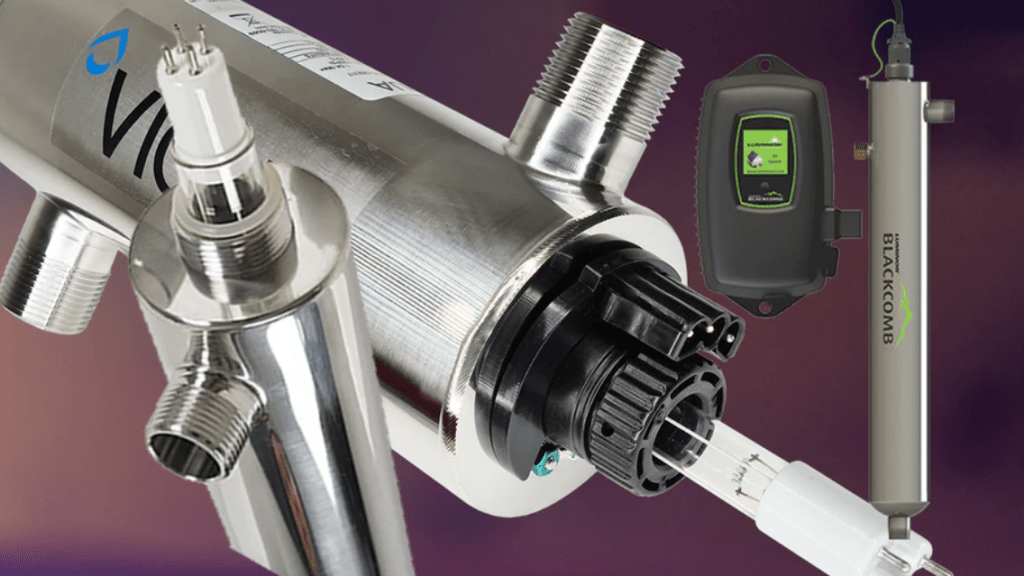
When particles of sediment are larger than 5 μm, they create shadowing effects or “shields” that block the UV-C rays, preventing the necessary microbicidal dose from reaching target pathogens, such as bacteria and viruses, flowing through the UV stainless steel chamber. Particulate matter, color, iron, manganese, and organic compounds absorb or scatter UV light. This dramatically reduces the Ultraviolet Transmittance (UVT) of the water. A lower UVT means less germicidal energy reaches the target organisms, effectively reducing the overall UV dose below the required level for inactivation.
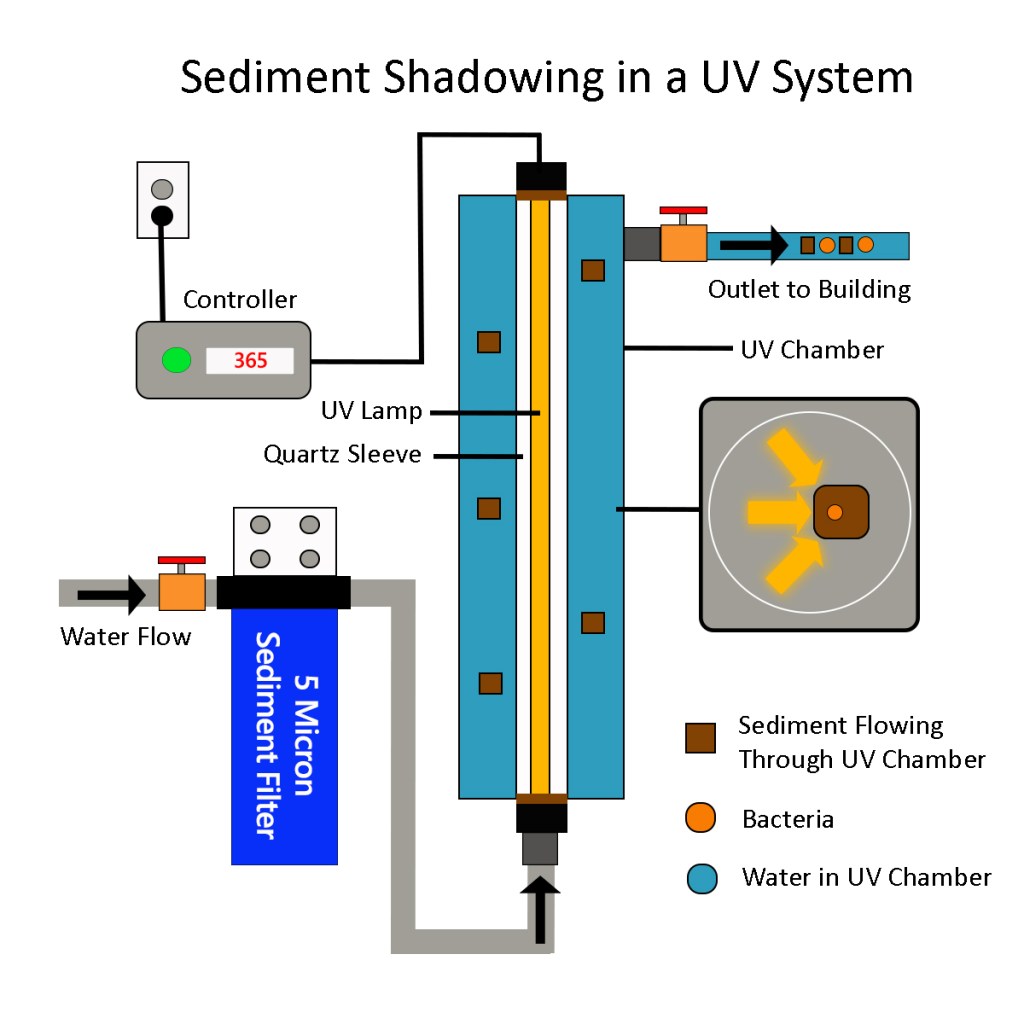
By mechanically removing these larger particulates, the water achieves the clarity required (i.e., low turbidity), ensuring a clear optical path. Once this physical interference is eliminated, the UV-C energy can properly penetrate and disrupt the microbes’ DNA or RNA, achieving effective disinfection.
Ion Exchange Water Softening
For water softener installations on rural water sources (e.g., private drilled, dug or shore wells), upstream filtration is essential for system longevity and ion exchange efficiency. Unregulated raw water frequently contains high concentrations of suspended solids, such as sediment, sand, and rust (insoluble iron/manganese), which are not always removed by the water softener’s ion exchange resin. These particulates will rapidly clog the resin bed, leading to a phenomenon called fouling. Fouling dramatically reduces the resin’s surface area, inhibiting the exchange of hardness ions (Ca2+, Mg2+) for sodium.
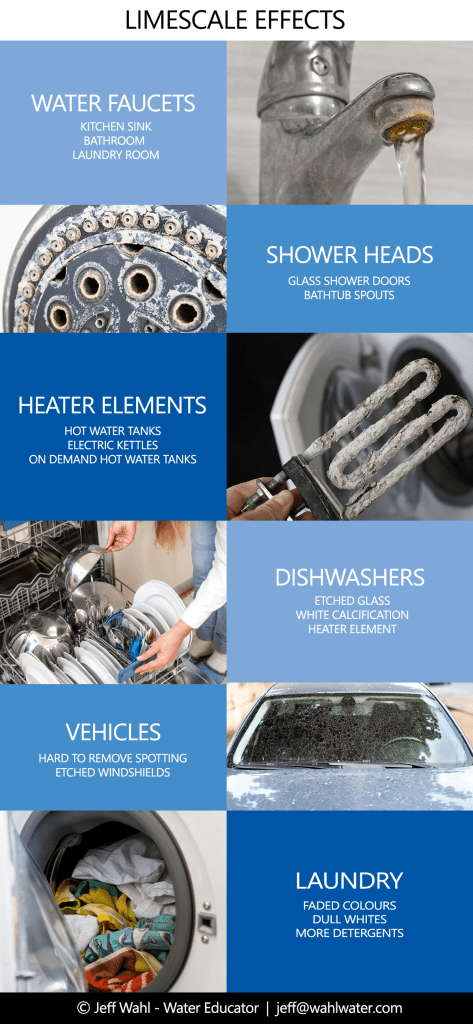
Effective pre-filtration is also imperative, primarily to safeguard the distributor screens/baskets and the brine injector (venturi assembly). Solids will physically clog the fine mesh of the screens, which act as the resin containment barriers, leading to an undesirable pressure drop and reduced flow through the mineral tank. Critically, these fine sediments also obstruct the minute orifice of the injector, the component that generates the vacuum necessary to draw the brine solution for resin regeneration. When the injector clogs, the system cannot recharge its ion exchange capacity, causing regeneration failure and the subsequent delivery of untreated hard water, thereby compromising the entire softening function and contributes to adverse water quality in plumbing fixtures and piping systems.
For the best efficiency and operation, an ion exchange water softener requires pre-filtration to remove contaminants that can physically damage or chemically foul the resin beads. This pre-filtration commonly involves using cartridge filter housings containing a melt-blown, string-wound, or pleated sediment cartridge. For treating water with high sediment loads, a spin-down filter or an automatic multimedia or aggregate backwashing sediment filter may be necessary.

Reverse Osmosis
In reverse osmosis (RO) systems treating rural water, pre-filtration is a fundamental necessity driven by the membrane’s inherent structural and chemical vulnerabilities. The semi-permeable RO membrane, designed for ion and molecular separation, cannot tolerate the high concentrations of Total Suspended Solids (TSS) and reactive chemicals typically found in untreated well water.
Physically, pre-filters (like 5-micron sediment cartridges) must remove silt, rust, and other particulates to prevent fouling, where particulates accumulate to clog the membrane surface, causing flow restriction, increased operational pressure, and decreased permeate (purified water) output. Chemically, an activated carbon pre-filter is essential to adsorb and neutralize free chlorine, volatile organic compounds (VOCs) and other oxidizers, which would otherwise inflict irreversible damage by oxidizing the membrane’s polyamide thin-film composite layer, leading potentially to a membrane failure and complete loss of rejection efficiency.
After purchasing their new home, discussions with a homeowner revealed that adverse microbiological readings were present despite an installed water softener, sediment filter housing, and ultraviolet disinfection system being installed. High levels of both Coliform and E. coli bacteria were present in multiple water tests over a one-month period.
Since they had just moved into their home and there were no indicators of who installed the equipment, an assessment was conducted to try and determine the source of the problem and the persistent adverse water quality results.
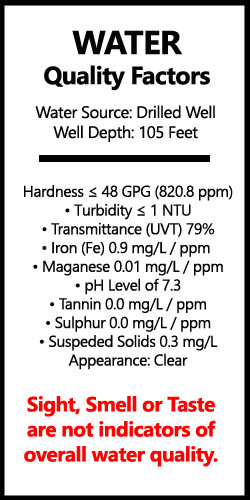
A Rural Well-Water Case Study
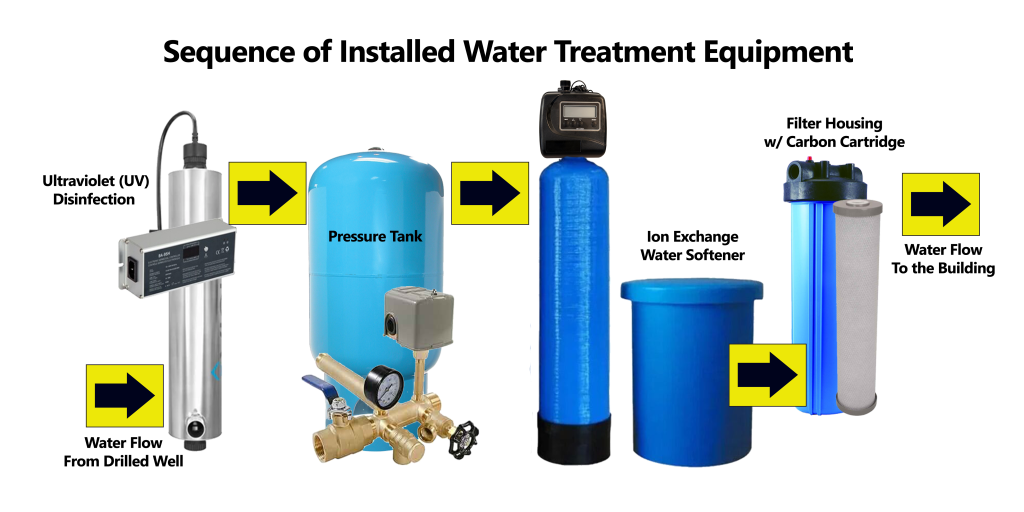
The rural nature of the property utilized a drilled deep well with a submersible water pump, pressure tank, and the installed water treatment devices. The findings were very interesting and highlight the importance of sequence location for water treatment devices. The ultraviolet disinfection system (UV) was installed before the pressure tank on the piping leading from the well. After the pressure tank was the ion exchange water softener, with the water filter housing as the final treatment device before the water entered the home.
Case Study Observations
The functionality of specific water treatment devices is not always fully understood by homeowners. The impression of having an installed UV system led this customer to believe that the water could not be microbiologically contaminated, as there was no alarm or indication that the UV system was not operating properly. Water softeners, UV systems, and water filters are commonly misunderstood, risking water quality for homeowners and businesses using rural supplied water sources.
Case Study Conclusions
The installed location, without any pre-filtration or treatment, resulted in the quartz sleeve of the UV system to be heavily calcified due to the elevated water hardness, which prevented disinfection from occurring as the water passed through the chamber. The elevated levels of sediment also contributed to the UV system’s inability to properly disinfect the water.
The carbon filter was removed and replaced with a five-micron string wound sediment filter. The housing was relocated to be first after the pressure tank, with the water softener following next in sequence. The UV system was relocated as the last piece of treatment equipment before the water entered the home. The sediment filtration provided the softener and ultraviolet system with filtered water, preventing interference with their operation. As the final step, a plumbing disinfection of all the piping and installed fixtures was completed, and a water sample was taken.
Filtration Conclusions
To ensure the long-term reliability and operation of residential water treatment in rural water sources, proper system design and maintenance starting with proper pre-filtration are paramount. The operational failure described, where a UV system became calcified and ineffective due to a lack of pre-treatment and poor sequencing, underscores a common risk when water treatment principles are misunderstood. By correctly installing a sediment filter first to protect downstream devices like softeners and UV systems from particulates and scaling, homeowners can prevent system failure, maintain optimal disinfection capabilities, and provide one of the necessary steps to safeguard their water quality against microbiological contamination.
For more information on water treatment and safety, refer to Jeff Wahl, a Canadian water educator, dedicated to raising awareness about effective water purification methods and the limitations of UV disinfection.
With twenty eight years of experience in the water treatment industry, Jeff has worked extensively in water quality assessment, filtration technologies, and public education on safe drinking water practices. He has conducted seminars, written articles, blogs, and advised private households on the importance of multi-barrier water treatment solutions. His expertise helps bridge the gap between technical knowledge and practical implementation, ensuring that homeowners have access to safe and reliable drinking
Volume 9 Issue 1 Wahl H2O – Water Awareness
Copyright 2026 Jeff Wahl | Wahl Water | All Rights Reserved
Contact Jeff via email jeff@wahlwater.com

 Jeff Wahl
Leave a comment