Water Treatment

  • Rural Ultraviolet Disinfection Considerations

    Potable water refers to water that is safe for human consumption. Water achieves this classification when it is in compliance with health-based standards established by municipal, state/provincial, and federal regulatory bodies within specific regional jurisdictions. These guidelines encompass a comprehensive… Continue reading

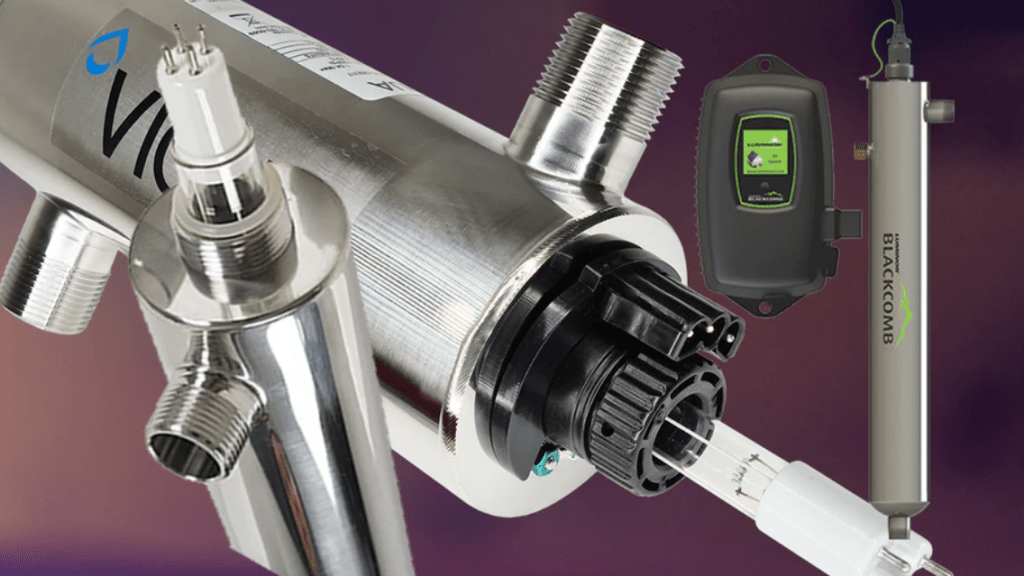
    Rural Ultraviolet Disinfection Considerations
  • Understanding Reverse Osmosis

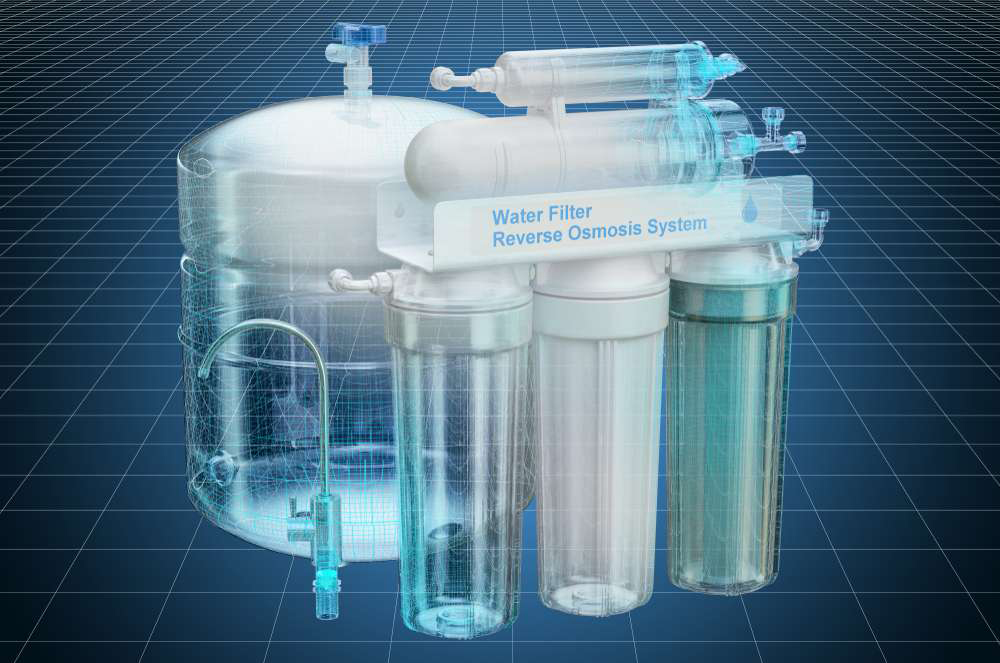
    Purified Drinking Water Solution  Access to clean, pure and safe drinking water is a fundamental human need, yet many rural and even some municipal communities face challenges due to water contamination. Reverse osmosis (RO) has emerged as one of the… Continue reading

    Understanding Reverse Osmosis
  • Navigating the Complexities of UV Disinfection

    A safe water solution or a false sense of security? Ultraviolet (UV) disinfection is widely used for treating drinking water, praised for its ability to eliminate harmful microorganisms. However, this method has significant limitations, sparking debates over its effectiveness as… Continue reading

    Navigating the Complexities of UV Disinfection
  • UV vs Reverse Osmosis (RO)

    There are many common misconceptions about which water treatment equipment is best-suited to treat various contaminants in relation to residential water sources in Canada. This comparison of Ultraviolet Disinfection and Reverse Osmosis highlights two of the most common types of… Continue reading

    UV vs Reverse Osmosis (RO)
  • What is Hard Water?

    Water Hardness Hard water is generally found in areas that are composed of limestone. Calcium and magnesium are absorbed into the water as it comes in contact with the limestone. The level of absorption varies by region. Hardness in water is… Continue reading

    What is Hard Water?