
Water can be compared to our own life experiences: it absorbs whatever it comes into contact with on its journey to the tap. Just as our interactions shape who we are, water in its purest form H2O, is heavily influenced by the surrounding environment, the distribution pipes it travels through, and the plumbing fixtures in our homes. Because this journey is hidden from view, people rarely truly think about where their water comes from, what it encounters, or the mechanics behind how it reaches them.
Public perception of water quality is largely shaped by current public policies rather than the potential health risks of illness-causing contaminants. An individual’s judgment of their water is typically influenced by their geographic location, the regulations governing their supply, installed treatment equipment, and general awareness of local water quality issues. However, these perceptions do not always reflect actual facts, leaving many people unaware of specific contaminants that may be present and undetected in their water.
The Universal Solvent
Water is called the “universal solvent” because it dissolves more substances than any other liquid on Earth. Its unique chemical architecture allows it to break down and carry a vast spectrum of minerals, gases, salts, and organic compounds. From the moment rain falls from the sky, flows over soil and rocks, and seeps deep underground into aquifers, it constantly interacts with whatever it touches.
Because water molecules have natural magnetic-like pulls, they latch onto solid materials such as salts, limestone, and soil minerals and steadily pry them apart grain by grain. Instead of bouncing off or flowing past untouched, the water breaks these substances down and absorbs them directly into itself, quietly carrying them along wherever the stream or pipe leads. Because of its polar molecular structure, water acts as the universal solvent by breaking chemical bonds in surrounding substances and pulling their constituent atoms apart into solution, allowing countless chemical interactions to take place along its journeys.

Rural Water Considerations
In rural settings, water safety is widely judged by sensory appeal. Whether drawn from surface sources such as lakes and rivers, or from groundwater via drilled, shallow, and shoreline wells, consumers routinely equate aesthetics with safety. They assume that clear water without odour, discolouration, or staining is clean and potable.
Similarly, a public health unit test indicating no bacterial presence is frequently interpreted as proof that the water is safe to drink. However, this assumption overlooks chemical, radiological, physical, and other contaminants known to affect water supplies across the country. Private residences in rural areas that are not connected to a municipal water supply face significantly less water regulations.
Consequently, water testing is far less frequent because using licensed laboratories is often cost-prohibitive, an unknown option or impractical due to geographic distance.The diverse nature of water sources such as drilled or dug wells, lakes, rivers, cisterns, and streams presents distinct risks for potential contamination. Furthermore, because these water sources vary even within the same geographic region, the specific contaminant risks differ by source type and location influences.
Septic System Considerations
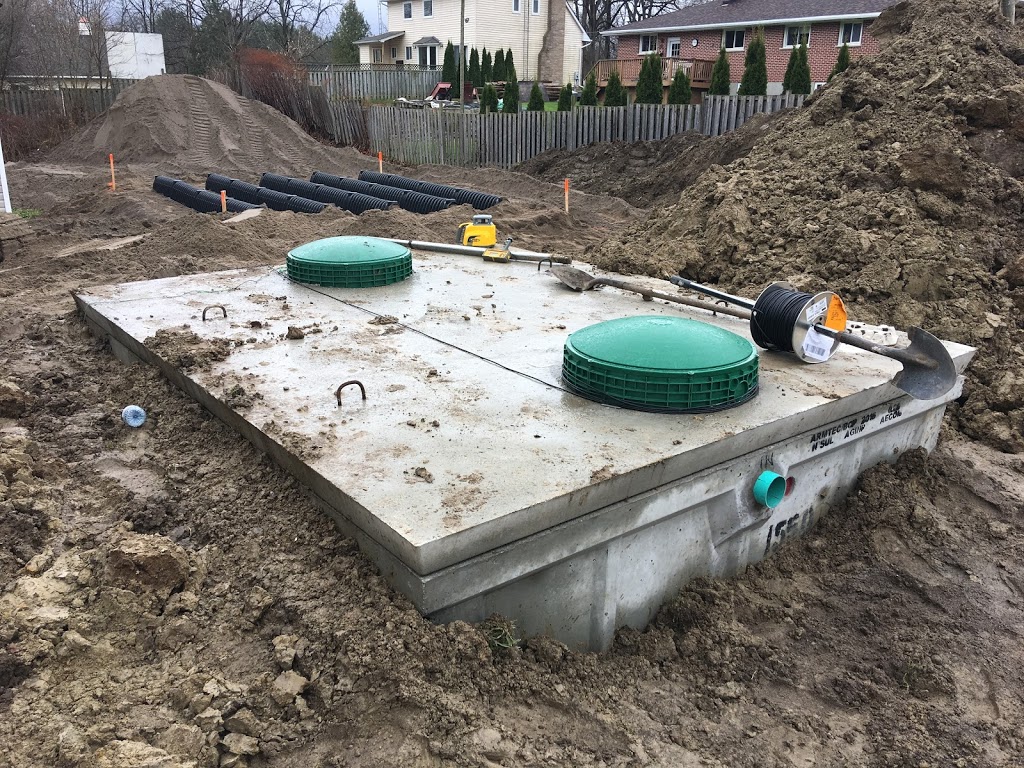
In 2020, a study published by Dr. Heather Murphy from Temple University concluded definitively that “septic systems can represent an important source of contamination in private well water supplies.”
This same study identified the U.S. EPA regulation of particular interest, specifying that: “Areas with >40 septic systems per square mile are areas at high risk of groundwater contamination and that septic system density is a major contributor to the vulnerability of groundwater supplies due to human sewage.”
Standard septic systems are completely unable to filter out modern chemical pollutants. Prescription medications, hormones, and microplastics from synthetic clothing washed in laundry go right through the tank and directly enter the local environment. A septic system can contaminate water long before sewage backs up into a house. Liquid can secretly bubble up into a nearby ditch, or sink directly into a deep aquifer without a homeowner ever noticing a backup or bad smell.
Microplastics, PFAS & Nitrate Considerations
Rural homeowners commonly assume that because their septic system was properly installed, passed inspection, and meets the required setback distance from their well, it poses no danger. Even when all of these standards are strictly met, however, a septic system can still introduce contaminants into local water supplies.
Agricultural runoff and aging septic systems frequently wash high levels of nitrates into private wells and surface water, creating serious health risks for infants and long-term concerns for adults. At the same time, modern chemical pollutants such as microplastics shedding from synthetic materials and per- and polyfluoroalkyl substances (PFAS), often called “forever chemicals” from firefighting foams, industrial waste, and consumer goods have seeped into even remote groundwater reserves.
Because standard rural filtration setups and basic home tests are rarely designed to catch these complex synthetic compounds, many residents unknowingly consume water that carries hidden chemical and particulate contamination.
A Few Water Perspectives
- Sixty percent of Canada’s water flows northward, draining away from the 85% of the population living within 300 kilometers of the southern border. As this water travels, it carries contaminants originating from heavily populated regions into rural northern areas, where they often remain undetected by the average homeowner.
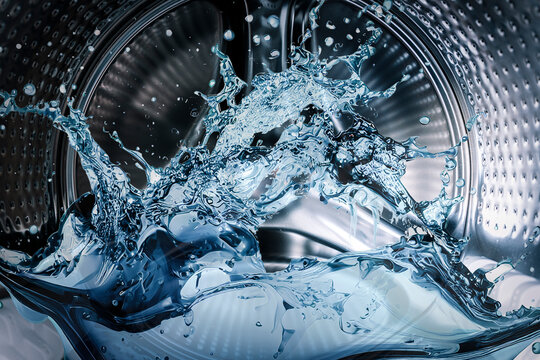
- Household laundry is one of the single largest sources of microplastic pollution in freshwater and marine environments. Synthetic fabrics like polyester, nylon, and acrylic shed hundreds of thousands of microscopic plastic fibers during a single wash cycle, dislodged by mechanical friction and turbulent water flow. Standard washing machines lack the fine filtration systems required to capture these minuscule particles, allowing them to flow freely into household wastewater.
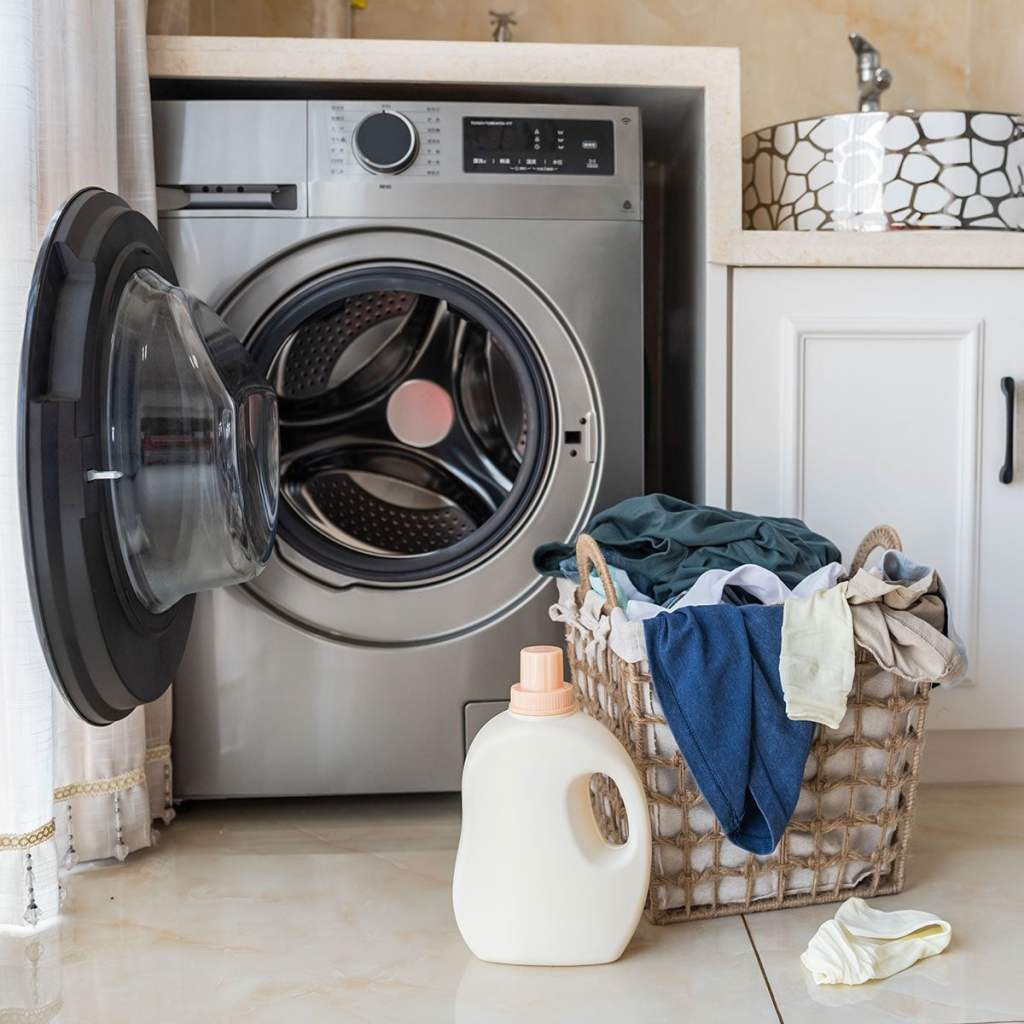
- Whether greywater discharges into municipal treatment plants which capture only a fraction of the smallest fibers or directly into rural septic fields and soil, the fibers ultimately migrate into rivers, lakes, and coastal waters. Once in the environment, they resist degradation, absorb toxic chemicals, and are easily ingested by aquatic life, working their way up the food chain.
- The Great Lakes contain about 20% of the world’s fresh water and provide drinking water to approximately 40 million Americans and Canadians. Yet plastic accounts for 80% of their shoreline and aquatic litter, much of it microscopic, undetected and hidden from plain sight.
Water Treatment Considerations
Most homeowners treat all water equally, overlooking or unaware of the fact over 99.5% of the water running through a rural home or cottage goes down the drain and is never consumed. In my experience, consumers rarely consider this distinction when installing water treatment systems. Instead, most simply aim to treat all water entering the home to ensure it is safe for all household uses and consumption.
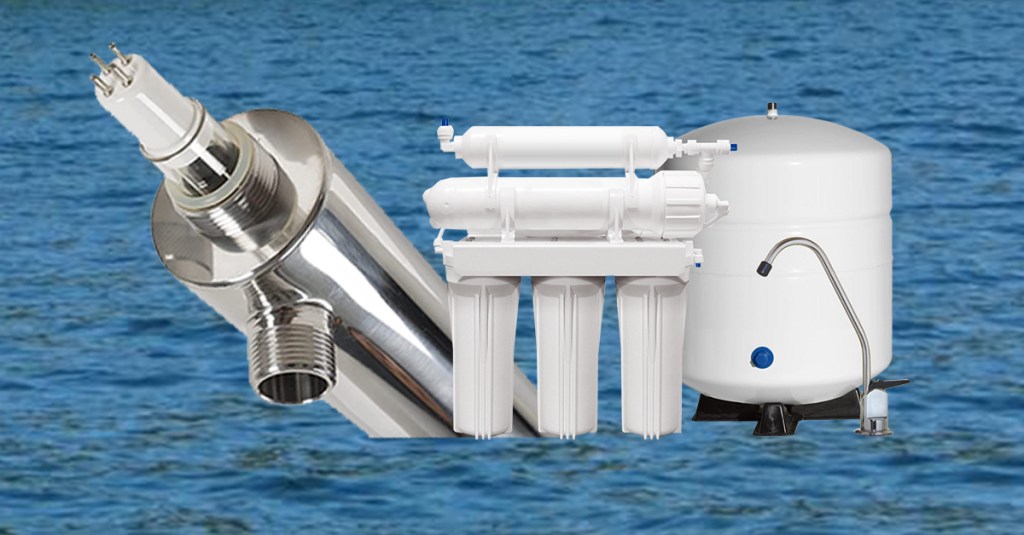
The use of treatment systems such as UV Disinfection and Filtration are commonly perceived to be drinking water systems providing safe, pure water for consumption. Water treatment systems are designed for either Point of Entry (POE) or Point of Use (POU). POE systems such as water softeners, UV disinfection units, and backwashing filters treat all water entering a building. In contrast, POU devices treat water right where it is consumed; these are typically standalone drinking water solutions, like reverse osmosis or ultrafiltration units, that feed into a dedicated faucet.
People often judge whether water in their home, cottage, or business is safe for cooking, drinking, and daily use based primarily on perception rather than fact. However, this perception rarely stems from a sound understanding of potential contaminants, the risks tied to installed treatment systems, or how the building’s water supply operates in the first place. I have frequently seen people assume that a single point-of-entry (POE) system guarantees total water safety.
Bridging the gap between perception and reality is the single most critical step in protecting rural drinking water. Clear, odourless water and a passing bacteria test can no longer serve as the benchmark standard for rural water in a world where nitrates, microplastics, and forever chemicals travel undetected through our aquifers and septic fields.
True water safety requires moving past surface assumptions and understanding both the unique vulnerabilities of your source and the limits of your treatment equipment. A single point-of-entry system or the appearance of clear water cannot replace comprehensive laboratory testing and properly applied treatment strategies.
Ultimately, taking ownership of your water means looking beyond what is visible at the tap because contaminants that you cannot see can be present in your water and be completely undetected.
H2O Insights – The WahlH2O Blog with Jeff Wahl

Well Water: A Home Buyer’s Ordeal
Buyers will often trust the seller or Realtor when a water sample…
Ultraviolet Disinfection (UV) vs Reverse Osmosis (RO)
There are many common misconceptions about which water treatment equipment …
Drinking vs Working Water
Not all water used in a household needs to meet the same quality and safety standards…
Volume 9 Issue 5 Wahl H2O – Water Awareness
Copyright 2026 Jeff Wahl | Wahl Water | All Rights Reserved
Contact Jeff via email jeff@wahlwater.com




Leave a Reply