
Over the past 25 years working as a certified water professional I have observed multiple rural real estate transactions with no clarity in the bacterial water sampling requirements for financing obligations. Buyers will often trust the seller or realtor when a water sample is submitted to the local health unit. In some cases, the buyer will simply receive the test results through their lawyer. This article aims to raise awareness about the risk of water sample tampering during rural real estate transactions.
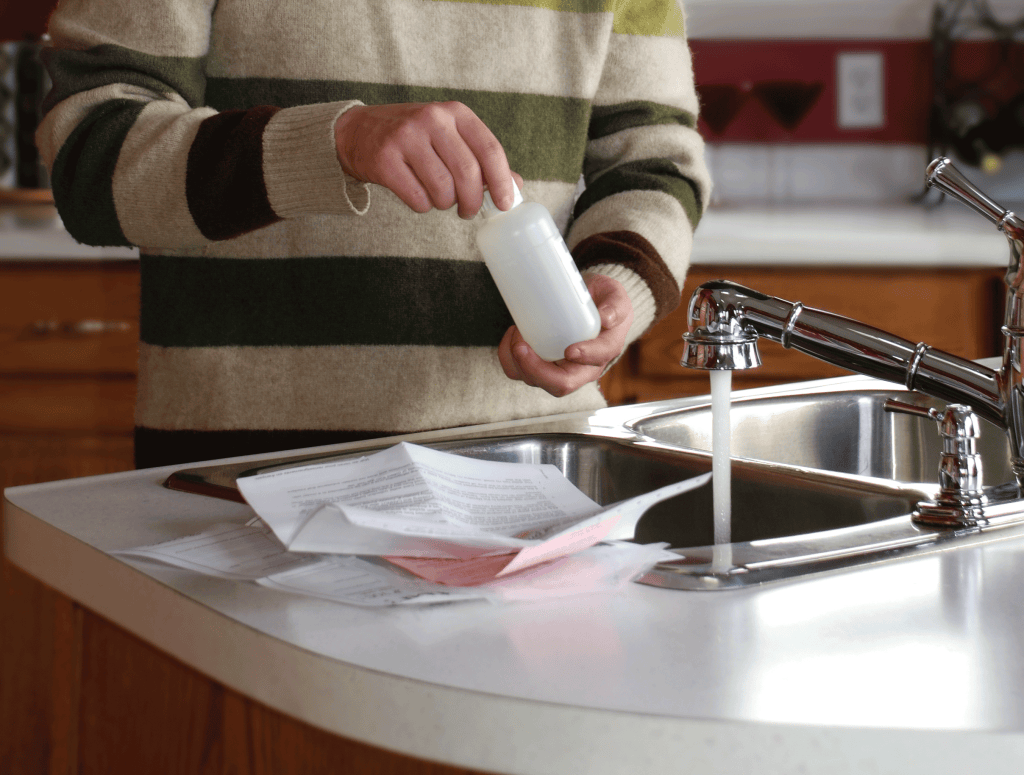
The requirement for a “potable water sample” is generally made by the lending institution as part of the conditions for financing in the sale of a rural property. Private sales are not subject to this same condition and would only be conducted at the request of the buyer to ensure that the water is safe for use and consumption. Often it is the real estate agent or the seller who will test the water and provide the results to the potential buyer. This does not present any problem when all parties act in good faith when taking the samples. However, based on my experience, this is not always the case when selling the property takes precedence.
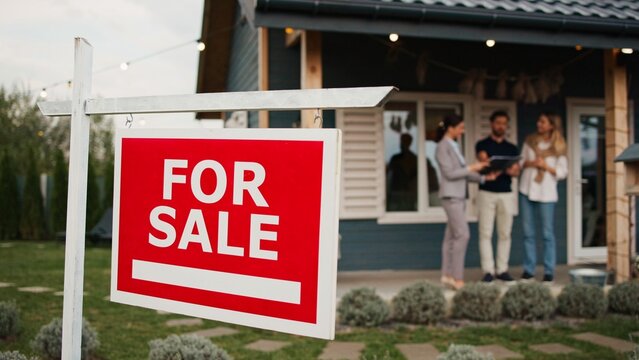
Sellers rarely provide water sampling results as part of the listing for the property and it is not a requirement for realtors to make the recommendation to test the water when preparing for the listing. It is not uncommon to have this issue “show up” when the financing stage is reached, after the offer to purchase is placed and accepted. In rural areas, no regulations or standards mandate who can collect and submit water samples for real estate transactions.
For most people, purchasing a home in the country is one of the most important transactions they make and often one of the largest monetary purchases made in a lifetime. The nature of the transaction has importance to the realtor and seller as an incentive to complete the sale. In most real estate transactions, water samples are taken in good faith, and any adverse results are properly addressed before closing. However, this is not always the case.
Exploring the Water Quality
This real-life example illustrates how altering a sample is possible. A young couple purchased a home on Manitoulin Island and included a clause in the realty agreement requiring the water to be potable. The seller provided a water sample result of 0/0 to the realtor, and the deal closed. After moving in, however, the couple noticed a strong odour coming from the water and submitted a new sample to the local public health unit for testing. The results came back dangerously high: greater than 80 for coliform and 58 for E. coli. How was this possible when the water had tested at 0/0 just weeks earlier?
The couple then hired an independent company to test the supply, but those results confirmed the contamination. When questioned, the realtor stated that the seller had supplied the original report and that verifying the results was not the realtor’s contractual responsibility. Despite explicitly requesting potable water in their purchase agreement, the young couple was left on their own to resolve the issue.
After personally being involved in multitudes of real estate water transactions, the grey area for sampling in Canada is open to alterations and falsifications with no requirements for procedures, protocols or certification for the individual conducting the sample.
Rural Water Considerations
It is possible for a seller or realtor to take a sample from another source and submit it as part of the sale. Many people do not retest the water after the purchase is complete, as they are busy with the euphoria that comes along with the new acquisition of the property.
My purpose is not to accuse or condemn any actions on behalf of the realtor or seller but to raise attention to the need for independent, third party real estate water sampling which does not involve anyone biased in regards to the transaction. A water sample for bacteria that is conducted during a real estate transaction can be taken by the seller, buyer or a third party with no certification or procedural requirements necessary.
In the interest of water safety for the purchaser, a properly conducted bacteriological water sample is a good practice and is in the best interests for all parties involved in the real estate transaction.
H2O Insights – The WahlH2O Blog with Jeff Wahl

Well Water: A Home Buyer’s Ordeal
Buyers will often trust the seller or Realtor when a water sample…
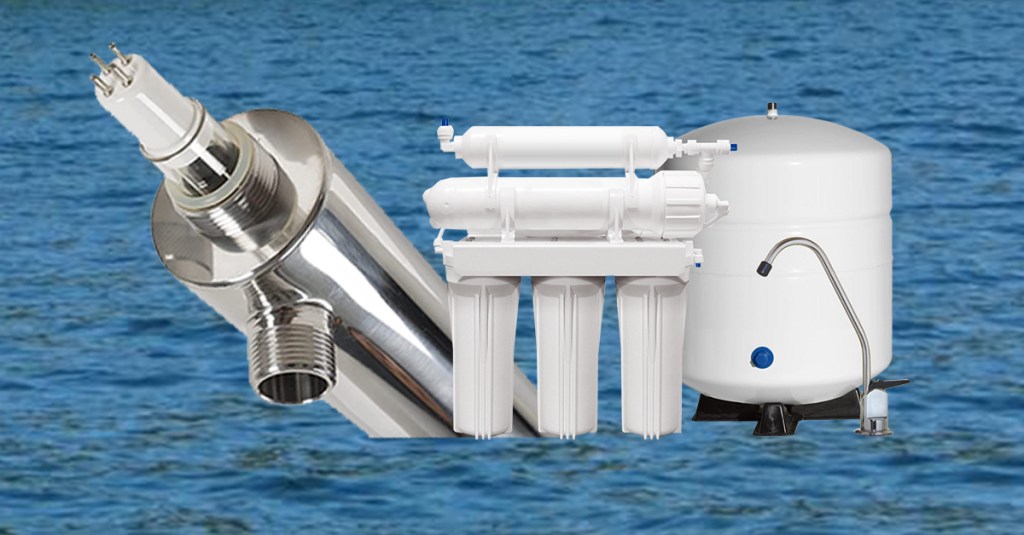
Ultraviolet Disinfection (UV) vs Reverse Osmosis (RO)
There are many common misconceptions about which water treatment equipment …
Drinking vs Working Water
Not all water used in a household needs to meet the same quality and safety standards…
Volume 9 Issue 6 Wahl H2O – Water Awareness
Copyright 2026 Jeff Wahl | Wahl Water | All Rights Reserved
Contact Jeff via email jeff@wahlwater.com


Leave a Reply