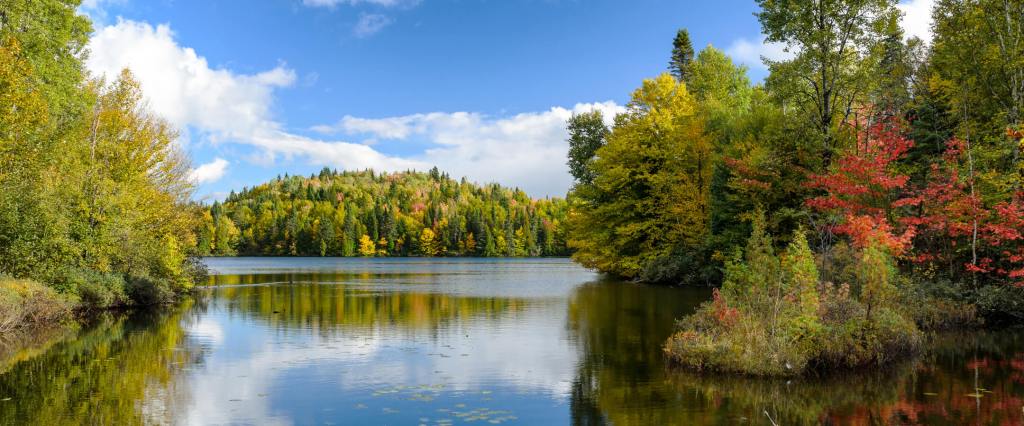
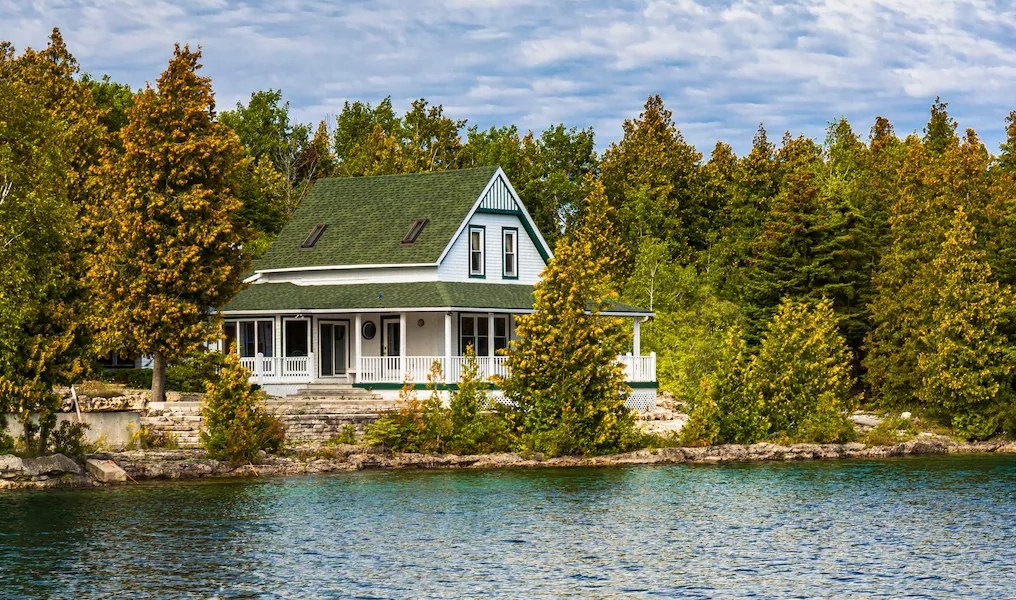
Canada is the second largest country in the world and no other country has as much of its surface area covered by fresh water as Canada does. It spans over 4000 miles from coast to coast with 563 large lakes, 52,255 islands and 7% of the world’s renewable fresh water. Of particular note is that 40% of its border with the United States is composed of water which is mainly shared within the great lakes region.
Comprising ten provinces and three territories, treating water in this vast country presents challenges as urban density and rural vastness present different challenges for policies, regulation, monitoring and treatment. While thought of in the past, it can be argued that it is not a safe assumption to think that all water in Canada is pristine and safe, with new reports and studies identifying contamination.
Municipal Sewage Discharge
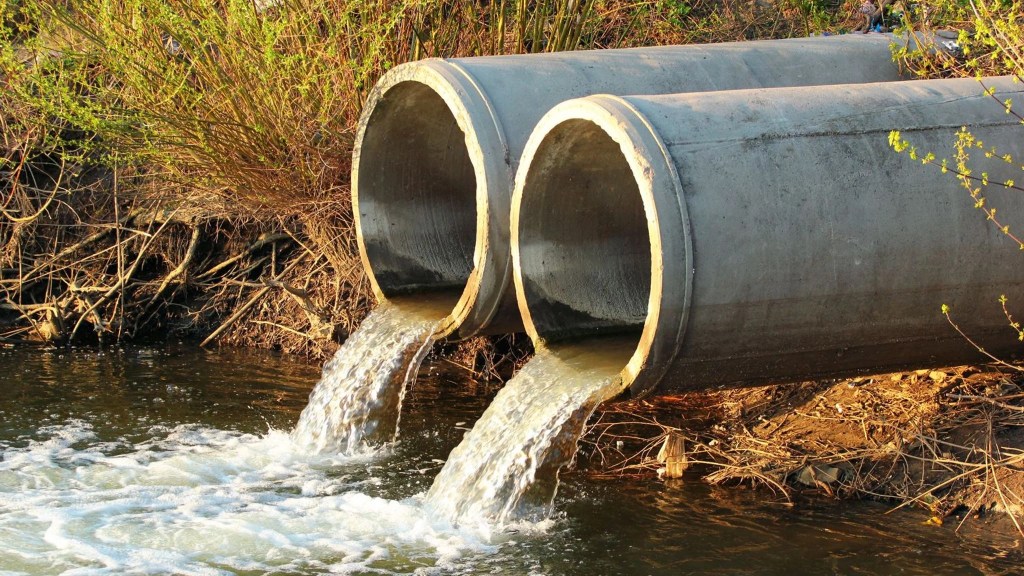
According to a February 2020 article by the Canadian Press, Canada has pumped nearly 900 billion litres of raw sewage into its waterways since 2013, with 2018’s overflow amounts 44 percent higher than 2013. It’s basically impossible to know for sure as there is no standard baseline and not all records are kept.
Mark Mattson, president of Swim Drink Fish Canada was quoted to say the number is also far lower than the actual amount of polluted water Canada produces each year because the data isn’t looking at leaks from all municipal water systems, only those that have combined sewer and stormwater pipes.
Sewer & Storm Water Pipes Discharge into Waterways
 Coast to Coast – Lead in Water
There is no safe level of lead, according to the World Health Organization. It remains as one of the most widespread contaminants in water across all of Canada. Levels above the Canadian Drinking Water Quality Guidelines (CDWQG) are being found in towns and cities across Canada as testing and public concern grows. Guidelines, standards, codes of practice, and policies only become enforceable when they are implemented in legislation.
In 2019 it was reported that hundreds of thousands of Canadians could be consuming tap water laced with high levels of lead leaching from aging infrastructure and plumbing. This was a key conclusion of a year-long investigation by more than 120 journalists from nine universities and 10 media organizations, including the Toronto Star, Global News and Concordia University’s Institute for Investigative Journalism.
Rural Well Water
In Canada approximately 30.3% of the population or 8.9 million people rely on groundwater for domestic use. Health Canada has identified more than 80 harmful substances that are commonly found in drinking water. By no means comprehensive, this list includes items such as micro-organisms and bacteria, pesticides, heavy metals, petroleum by-products and radioactive materials.
There is no Universal Standard for Well Water Testing in Canada
Each province and territory provide water testing options through local health units and laboratories with varying consistency across the country. There is no universal standard for well water testing in Canada with some provinces providing bacterial testing at no cost. Some offer additional testing options such as physico-chemical parameters through fee based testing with an accredited laboratory. There is no testing provided by a province or territory for a private individual that meets all of the parameters identified in the CDWQG that is free of charge.
Regulatory Challenges
Since the Canadian Drinking Water Quality Guidelines are voluntary non-enforceable guidelines, Canadian provinces and territories are able to choose whether or not to adopt the CDWQG, to what extent they apply the guidelines and whether to make them legally enforceable. It is clear that there is no consensus with respect to how to govern and regulate drinking water quality across the large and geographically complex provinces and territories within Canada.
Water pollution, conservation, quality and management issues mirror those already identified in the United States with time lags to recognition and regulation in Canada. Improved collaboration between relevant associations, regulators and policy makers to share resources and knowledge would shorten the curve for solutions and regulatory changes to ensure that they are enforced properly.
Federal Responsibilities
Within the federal government, over 20 departments and agencies have unique responsibilities for fresh water. All provinces and territories in Canada have pollution control regulations, deciding which substances to control, to determine their concentrations and how they may enter the environment.
The Federal Water Policy released in 1987 highlights the water-related activities of all federal departments. The policy takes into account the needs of all Canadians in its overall objective: to encourage the use of freshwater in an efficient and equitable manner consistent with the social, economic and environmental needs of present and future generations.
To manage Canada’s water resources, the federal government has defined two main goals: to protect and enhance the quality of the water resource; and to promote the wise and efficient management and use of water. The policy stresses that government action is not enough. Canadians at large must become aware of the true value of water in their daily lives and use it wisely.
Public Advocation for Regulatory Change is a Powerful Resource
Canadian Water Report
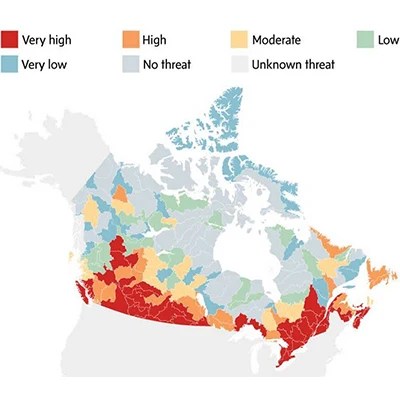
A National Water Assessment was released in 2017 after over four years of research by the environmental advocacy organization World Wildlife Fund Canada. It was intended to provide a national snapshot of the state of Canada’s water by assembling and comparing data for 167 sub watersheds across the country.
This proved to be challenging because the information was neither centralized nor maintained in a systematic way, the organization had to search out scores of disconnected datasets from federal, provincial and municipal sources, water boards, conservation authorities and private companies.
There is no Standardized Water Monitoring Program in Canada
Findings reflected the glaring absence of a standardized national water-monitoring program in a federal system where water has traditionally been regarded as a provincial or local matter. Yet, Canada’s watersheds are clearly interconnected and facing threats, from climate change to invasive species, that have no consideration for political boundaries.
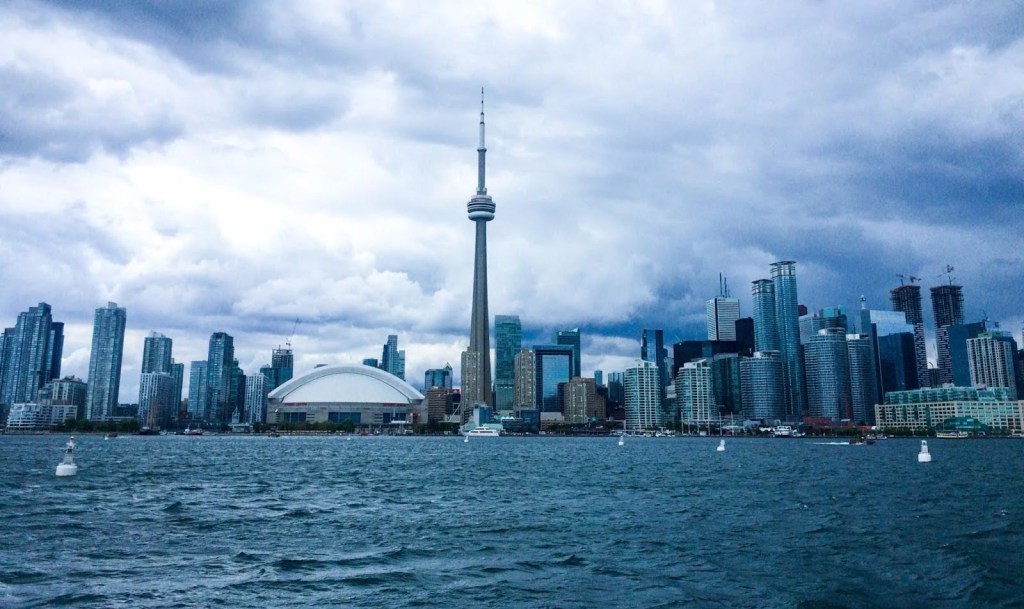
In his publication on the report, Ivan Semeniuk, a science reporter with the Globe and Mail states: A comprehensive review of Canada’s freshwater ecosystems reveals rising threats from pollution, overuse, invasive species and climate change among other problems.
Yet, the biggest threat of all may be a lack of information that hinders effective regulation. David Schindler, one of Canada’s most highly regarded freshwater scientists and a professor emeritus at the University of Alberta said “Water despite its theoretical abundance is probably the biggest looming problem in Canada.”
Concerns about water in Canada are widespread and regionalized by geography and urban density. A national water policy with regard to municipal and rural water sources which adheres to the regulation and guidelines outlined by the Canadian Drinking Water Quality Guidelines is a long overdue and much needed step.
Once this is achieved, and as the CDWQG is updated for new and emerging contaminants, the country would be unified in its approach to ensure water safety for all residents. Until then, each province and territory is responsible for determining water regulations in their own regions. Clearly this model has not proven effective as new reports and studies are released on water contamination at alarming rates.
H2O Insights – The WahlH2O Blog with Jeff Wahl

Well Water: A Home Buyer’s Ordeal
Buyers will often trust the seller or Realtor when a water sample…
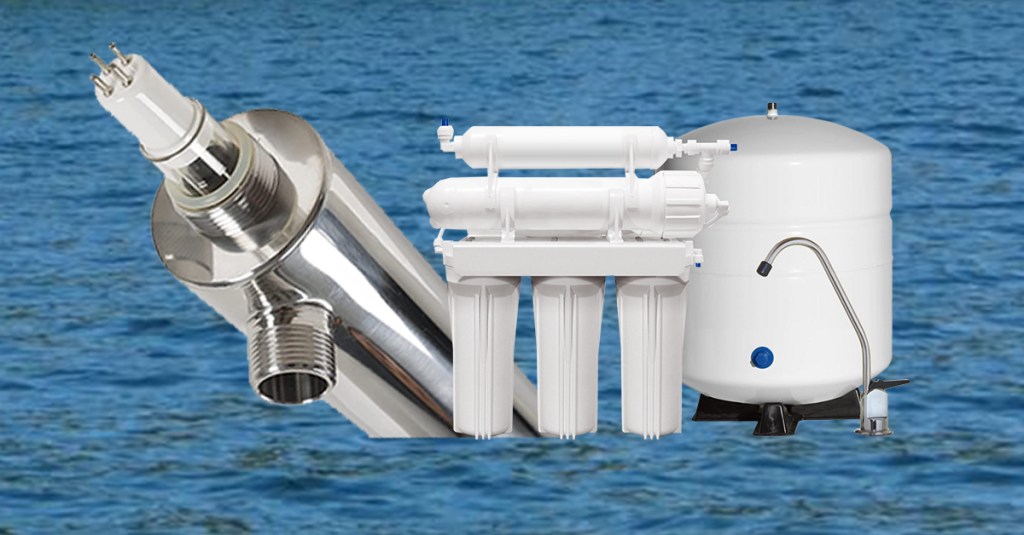
Ultraviolet Disinfection (UV) vs Reverse Osmosis (RO)
There are many common misconceptions about which water treatment equipment …
Drinking vs Working Water
Not all water used in a household needs to meet the same quality and safety standards…
Volume 7 Issue 5 Wahl H2O – Water Awareness
Copyright 2024 Jeff Wahl | Wahl Water | All Rights Reserved
Contact Jeff via email jeff@wahlwater.com



Leave a comment