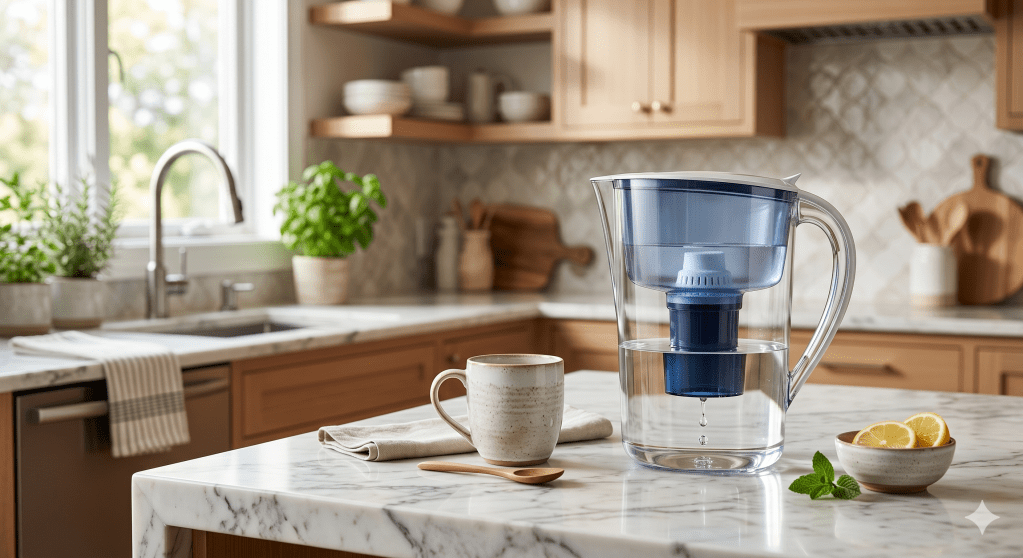
A common, cost-effective method of residential water filtration is the pitcher-style container, which features an upper reservoir and an internal “flow-through” filter. While highly accessible, these systems require strict adherence to maintenance schedules, an appropriate source water profile, and periodic disinfection to function correctly. Unfortunately, many consumers utilize these devices on source water they were never designed to treat. This misapplication leads to disappointing performance and creates a false sense of security regarding water quality.
The Unknown Risks
To illustrate the potential dangers of misusing these systems, we can look at how they interact with untreated water. A standard pitcher filter utilizes a carbon-based cartridge engineered primarily to remove offensive tastes and odors. Consequently, the packaging will explicitly state that the product is intended for use only with microbiologically safe, bacteria-free water.
The ideal application for these filters is chlorinated municipal water. Because municipal tap water is already treated and sanitized, the pitcher’s primary job is simply to remove residual chlorine taste. However, when consumers deploy pitcher-style filters in rural or “country water” applications (such as private wells or surface water), they enter a vastly different scenario—often entirely unaware of the biological risks involved.
How Carbon Media Works
Carbon media is highly effective at absorbing unwanted tastes and odors due to its incredibly porous structure. However, the same microscopic pockets that trap aesthetic contaminants also provide an ideal “rest area” for harmful bacteria, such as E. coli or coliform, to colonize and multiply.
When a carbon filter is used on untreated well or surface water that contains baseline bacteria, the device can actually amplify bacterial levels, eventually flushing concentrated microorganisms directly into the lower drinking reservoir.
Furthermore, these cartridges require strict, routine replacement to ensure filtration efficacy and prevent biofouling from overload. Because pitcher filters lack audible alarms or warning lights to signal exhaustion, many consumers extend cartridge use for months—or even years—beyond their intended lifespan.
A Misplaced Sense of Security
It is a common misconception that a pitcher filter is an all-in-one, “catch-all” purification system capable of removing all objectionable contaminants. This is driven by the myth that if water looks clear and smells neutral, it is inherently safe to drink.
Consider lead: a highly toxic, invisible, and odorless contaminant. Recent studies have highlighted a rise in lead exposure across the country, driven primarily by aging infrastructure in municipal distribution systems and older residential plumbing. Standard carbon media does not remove heavy metals like lead. While specialized lead-reduction cartridges do exist, they are not standardly included with the initial product purchase unless specified on the product packaging. As a result, countless consumers are potentially drinking lead-contaminated water that has passed straight through their filters.
Best Practice Recommendations
Before relying on any filtration device, it is critical to evaluate its specific certifications and understand exactly what it is—and is not—capable of removing. Always ensure the system is rated for your specific source water.
If you are uncertain about your water quality or filtration needs, consult a certified water treatment professional. They can provide tailored recommendations based on the unique environmental and infrastructural factors of your region. As emerging contaminants continue to surface, prioritizing drinking water quality through education and proper treatment techniques is essential for public health.
For more information on water treatment and safety, refer to Jeff Wahl, a Canadian water educator, dedicated to raising awareness about effective water purification methods and the limitations of UV disinfection. With twenty eight years of experience in the water treatment industry, Jeff has worked extensively in water quality assessment, filtration technologies, and public education on safe drinking water practices. He has conducted seminars, written articles, blogs, and advised private households on the importance of multi-barrier water treatment solutions. His expertise helps bridge the gap between technical knowledge and practical implementation, ensuring that homeowners have access to safe and reliable drinking water.
Volume 9 Issue 4 Wahl H2O – Water Awareness
Copyright 2026 Jeff Wahl | Wahl Water | All Rights Reserved
Contact Jeff via email jeff@wahlwater.com





Leave a Reply