With the growing complexity of water contamination today, it can be difficult to know which water treatment system to choose and whether it is truly right for your needs. The reality is that no single system on the market is designed for every water source or capable of removing all known and unknown contaminants.
If a contaminant is present in your water but hasn’t been tested for, how can you understand the associated health risks? Likewise, if a contaminant is known to exist but isn’t included in routine water sampling, what are the long-term implications for your family?
To put this into perspective, if you live in the country, it is incredibly difficult to be entirely certain that the water coming from your well is safe to drink and use every single day of the year, just as it is impossible to know if lake water remains truly free from contamination every single time you turn on the tap. Even if you rely on a municipal supply, you cannot track exactly what level of contaminants might be present from one day, hour, or second to the next, which underscores the unsettling reality that a perfectly clear, odour free glass of water can still contain hidden contaminants that exceed the Guidelines for Canadian Drinking Water Quality.
The Role of Water Treatment
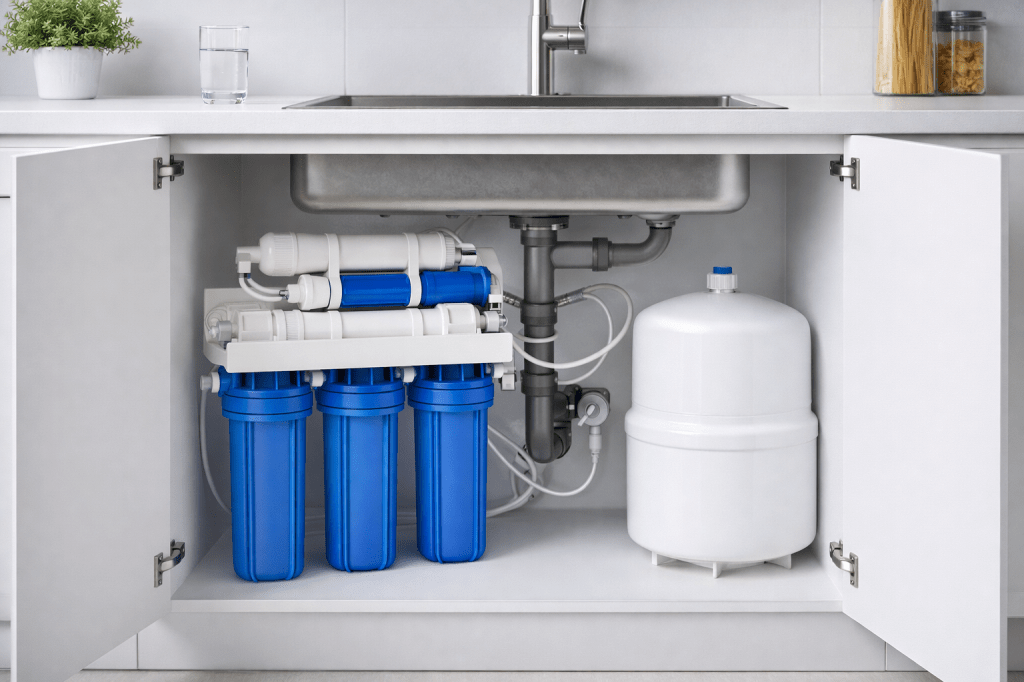
The purpose of water treatment is to alter, purify, or exchange contaminants to prevent them from entering your home’s water supply. Because each piece of equipment serves a different purpose, it often requires a combination of systems, properly installed to ensure your water is safe for cooking, drinking, and everyday use. In fact, some form of water treatment is already installed and used daily in the majority of Canadian homes.
However, proper testing and an accurate understanding of your source water quality are essential to the success of any treatment system. Correct application, sequencing, installation, and ongoing maintenance are just as critical. If any of these steps are overlooked, you could face potential risks.
Risks Associated with Water Treatment Equipment
Many people assume that simply having a treatment system installed automatically makes their water safe. Unfortunately, this isn’t always the case. To illustrate this point, these are a few examples of potential risks associated with common water treatment products:
Ultraviolet (UV) Disinfection
A UV system disinfects water inside a stainless-steel chamber. It passes UV rays from a lamp through a protective quartz sleeve (or dome) into the water, stopping bacteria from replicating. Simply put, a light shines through “glass” to scramble the DNA of the bacteria so they can no longer cause harm.
This process doesn’t physically remove anything from the water, nor does it add any chemicals. But what happens when that “glass” sleeve gets coated with hardness scaling, iron stains, or black sulfur buildup? Most basic systems cannot detect how clean the glass is, meaning they won’t beep or alarm to warn you of a problem.
Ion Exchange Water Softeners
It is very common for consumers to buy a water softener for a rural home without testing the water first. This can be a major risk if your water’s hardness level is exceptionally high. For example, most softeners come preset for a hardness level of 25 grains. If your water actually has 80 grains of hardness, the softener will become exhausted within a few days and fail to regenerate properly. This allows hard water into the home, causing calcification that damages water heaters, faucets, and toilets. Furthermore, that scaling can coat a UV system’s quartz sleeve, crippling its ability to disinfect.
Pitcher Pour Through Filters
A typical pitcher filter uses a carbon-based cartridge designed primarily to remove unpleasant tastes and odours. The packaging will clearly state that it should only be used on microbiologically safe, bacteria-free water. When these pitchers are used on untreated country water, the scenario changes drastically: bacteria present in the water can multiply inside the filter cartridge, increasing your risk of illness.
Total Dissolved Solids (TDS)
While rare, extreme issues can hide in well water. In one real-world case, a new homeowner noticed their water left an extremely dry, “tacky” feeling on the skin and had a terrible taste. A water analysis revealed astonishing results: the hardness level was 468 grains per gallon, and the Total Dissolved Solids (TDS) measured 11,500 ppm. For context, the Guidelines for Canadian Drinking Water Quality state that recommended TDS levels for drinking water is less than 500 ppm; anything above this threshold can cause severe taste issues, mineral buildup, and scaling.
While the water had shown no bacteria during standard real estate sampling, it grossly exceeded the national standards, measuring twenty-three times the recommended limit. The home’s installed water softener and UV system were essentially useless, because the source water itself was fundamentally unsafe for home use or drinking.
Treatment Equipment Sequence
The location of water treatment devices when multiple treatment methods are used, is important. A recent example of this was highlighted during an onsite assessment for why bacteria was still present in a home owner’s water when a UV system was installed. Upon inspection, it was discovered that the UV system was incorrectly installed prior to the home’s water softener. UV disinfection systems require less than 7 grains of hardness to operate effectively and should always be located after water softeners.
The high hardness of the water source was calcifying the UV System’s quartz sleeve, creating a thick white mineral crust that blocked the ultraviolet light and prevented it from disinfecting properly. By ensuring the UV system is the very last piece of equipment in the treatment chain, the water is fully softened and filtered first, allowing the UV light to easily penetrate the water and inactivate any remaining bacteria.
Ultimately, achieving safe, high quality home water requires moving beyond guesswork or assumptions. Because no single system is a magic cure all, successful water treatment depends on a complete chain of proper testing, correct equipment sequencing, and diligent maintenance.
By understanding the specific profile of your source water and recognizing the limits of each treatment device, you can avoid hidden risks and ensure that the water your family relies on every day is genuinely safe to drink.
For more information on water treatment and safety, refer to Jeff Wahl, a Canadian water educator, dedicated to raising awareness about effective water purification methods and the limitations of UV disinfection. With twenty eight years of experience in the water treatment industry, Jeff has worked extensively in water quality assessment, filtration technologies, and public education on safe drinking water practices. He has conducted seminars, written articles, blogs, and advised private households on the importance of multi-barrier water treatment solutions. His expertise helps bridge the gap between technical knowledge and practical implementation, ensuring that homeowners have access to safe and reliable drinking water.
Volume 9 Issue 5 Wahl H2O – Water Awareness
Copyright 2026 Jeff Wahl | Wahl Water | All Rights Reserved
Contact Jeff via email jeff@wahlwater.com



Leave a comment