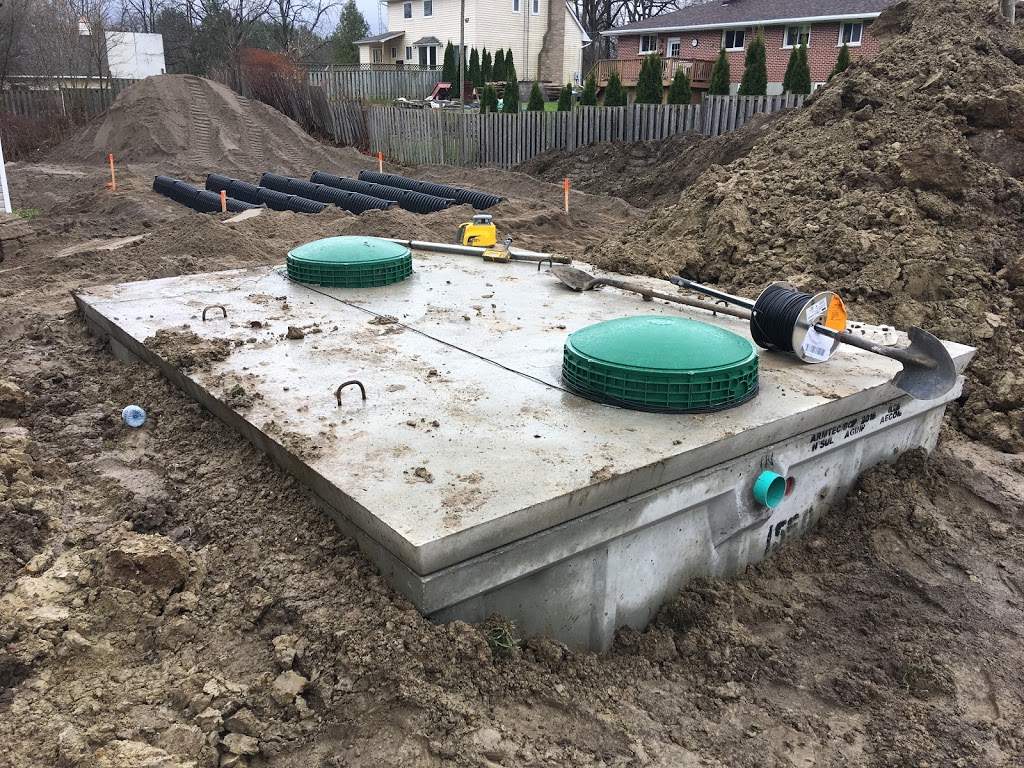
When considering potential risks to your water source, it is important to remember that what you see on the surface is not always what is happening underground. A septic system is out of sight and, therefore, quite often forgotten. As a major component of a rural home’s wastewater system, it has the potential to impact the water quality for both the household and the surrounding area.
Properly installed septic systems are designed to prevent the leaching of chemicals and bacteria. However, older systems as well as those with improper leaching beds or faulty holding tanks can result in septic effluent contaminating the ground or even a neighboring water supply. This leads to the leaching of harmful pathogens like E. coli, viruses, and high concentrations of nitrates directly into the shallow aquifers that supply nearby domestic drinking wells.
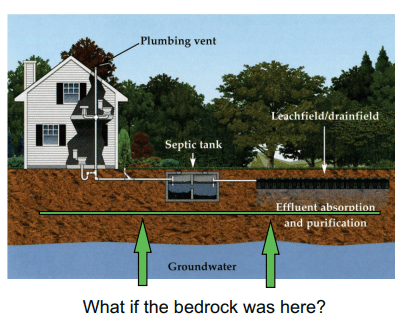
This risk can be amplified when rural houses are in close proximity to each other in small communities that lack municipal water and sewer services. If the soil depth beneath your leaching bed is plentiful, the level of absorption increases and the chances of contamination decrease. Alternatively, the opposite is true when bedrock is close to the surface and soil is scarce. As systems age, the effluent can work its way through this shallow soil layer and enter directly into fissures in the bedrock. This process can occur naturally as the leaching bed weeps, or it could be the result of improper care and maintenance of the septic system.
Soil Depth Plays an Important Role in Contaminant Leaching
Once inside the bedrock, the effluent becomes vastly more mobile, traveling wherever the groundwater takes it. In areas with highly fissured bedrock, this effluent can travel for kilometers underground. Consequently, it is common for septic effluent to enter a household’s own well or contaminate neighboring properties and nearby surface water supplies.
Septic Systems as a Source of Water Contamination
In 2020, a study published by Dr. Heather Murphy from Temple University concluded definitively that “septic systems can represent an important source of contamination in private well water supplies.”
This same study identified a U.S. EPA regulation of particular interest, specifying that:
“Areas with >40 septic systems per square mile are areas at high risk of groundwater contamination and that septic system density is a major contributor to the vulnerability of groundwater supplies due to human sewage.”
This regulation speaks directly to the widespread nature of effluent and its adverse effects on groundwater sources. In Canada, a septic system is privately owned. By law, the homeowner is entirely responsible for its safe operation, maintenance, and repair.
Things to Know About Your Septic System
It is important to know the location of the septic tank and have the tank pumped out every 2-5 years depending on the usage. Pump outs will allow for inspection of the tank and identify if there are any cracks or holes that would allow effluent to leak directly into the surrounding soil. Pumping out the septic tank prevents solids, oils and grease from making their way into the leaching bed. Regular maintenance of the septic tank also prevents costly backups of sewage into the home and helps you to avoid costly repairs or replacement of the entire system.
Test Your Water Regularly
Have the water tested with the local Health Unit for Coliform or e-Coli bacteria. This should be done a minimum of 3 or 4 times a year. Do not assume that one good test result determines the water quality for the other 364 days in the year. Often people will have the first test and never test the water again. In the country, water is a private responsibility that can have personal and public ramifications.
Pumping out the septic tank and testing the water for bacteria on a routine basis is crucial to maintain safe water for both yourself and those around you. This practice will identify potential problems and allow you to make an educated decision on a solution.
Ten Septic System Considerations
- Soil is the Actual Filter, Not the Tank: A septic tank only catches solids. Roughly 60% to 70% of the actual wastewater treatment happens in the drainfield (leachfield), where microbes in the soil break down harmful pathogens as the liquid filters downward.
- Groundwater is Often the First Casualty: If a system is overloaded or poorly placed, untreated effluent flows straight past the soil layer into the water table. According to the US EPA, failing septic systems are one of the top leading sources of groundwater contamination.
- Nitrate Poisoning Danger: Septic systems release high amounts of nitrogen. In the soil, this turns into nitrates, which do not filter out easily. If your well water is contaminated with high nitrates, it can cause “Blue Baby Syndrome” (methemoglobinemia), a life-threatening blood condition in infants.
- Pathogens Travel Surprisingly Far: Harmful biological contaminants like E. coli, Salmonella, and viruses (like Hepatitis A) can survive in groundwater for days or even months, traveling significant distances through underground water veins to nearby drinking wells.
- Cause of Toxic Algal Blooms: While soil can trap some phosphorus, it has a limit. When a septic system saturates the ground with excess phosphorus and nitrogen, it leaches into nearby lakes and rivers, fueling toxic blue-green algal blooms that kill fish and ruin recreational waters.
- Flooding Causes Backwards Flow: During heavy rains or floods, the water table rises and saturates the drainfield. Without dry soil to filter into, wastewater can back up into the home or float directly to the surface of your lawn, causing immediate biohazard runoff.
- Household Chemicals Can Deactivate the System: Pouring bleach, paint thinners, drain cleaners, or motor oil down the drain kills the healthy bacteria inside the septic tank. Without those bacteria to digest solids, the tank quickly clogs and forces raw sewage into the drainfield.
- Heavy Objects Compact the Soil and Stop Filtration: Driving vehicles, parking equipment, or building structures over a drainfield packs the soil down hard. This eliminates the oxygen and space needed for both wastewater to flow and soil microbes to breathe and treat the effluent.
- Microplastics and Pharmaceuticals Pass Right Through: Standard septic systems are completely unable to filter out modern chemical pollutants. Prescription medications, hormones, and microplastics from synthetic clothing washed in laundry go right through the tank and directly enter the local environment.
- “Out of Sight” Causes Silent Failures: A septic system can contaminate water long before sewage backs up into a house. Liquid can secretly bubble up into a nearby ditch, or sink directly into a deep aquifer without a homeowner ever noticing a backup or bad smell.
In rural areas, clean water is a private responsibility that carries personal and public ramifications. Pumping out your septic tank and routinely testing your water for bacteria are crucial steps to maintain safe drinking water for both your family and your neighbors. Staying proactive allows you to identify potential problems early and make educated decisions on the right solutions.
Septic systems are not complete water treatment systems on their own and it has been proven that contaminants can go untreated as they make their way through the leaching bed into groundwater sources. This highlights the need for additional water testing options for people living in rural areas with no regulations to ensure the quality of water coming from their wells.
H2O Insights – The WahlH2O Blog with Jeff Wahl

Well Water: A Home Buyer’s Ordeal
Buyers will often trust the seller or Realtor when a water sample…
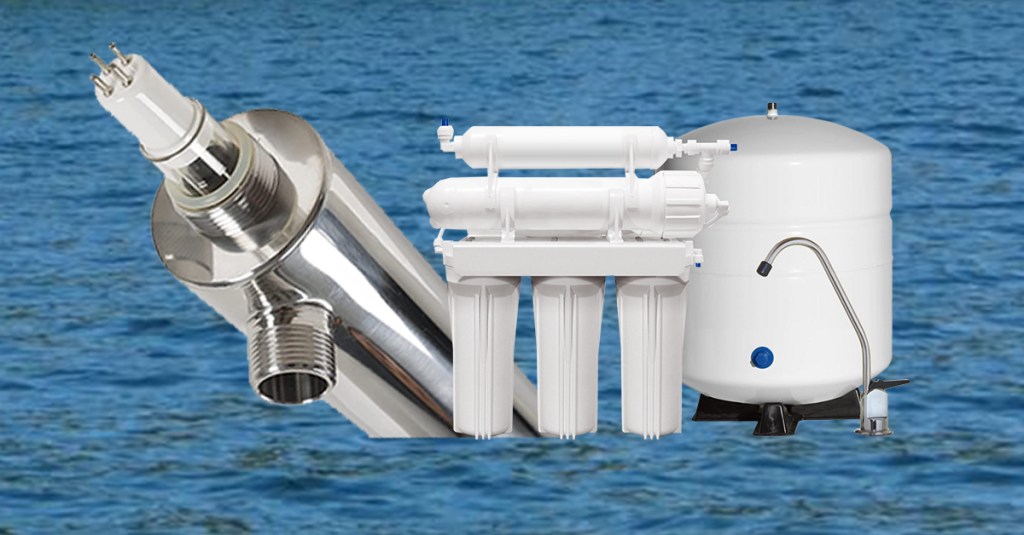
Ultraviolet Disinfection (UV) vs Reverse Osmosis (RO)
There are many common misconceptions about which water treatment equipment …

Drinking vs Working Water
Not all water used in a household needs to meet the same quality and safety standards…
Volume 9 Issue 6 Wahl H2O – Water Awareness
Copyright 2026 Jeff Wahl | Wahl Water | All Rights Reserved
Contact Jeff via email jeff@wahlwater.com





Leave a comment